About
Cloudberry was an off-the-grid, solar-powered, long-term photography project. Using a GoPro, a Raspberry Pi, and a USB cellular modem, the system we designed took one photograph per hour between 8 AM and 8 PM each day and uploaded the images via a cellular network to this website.
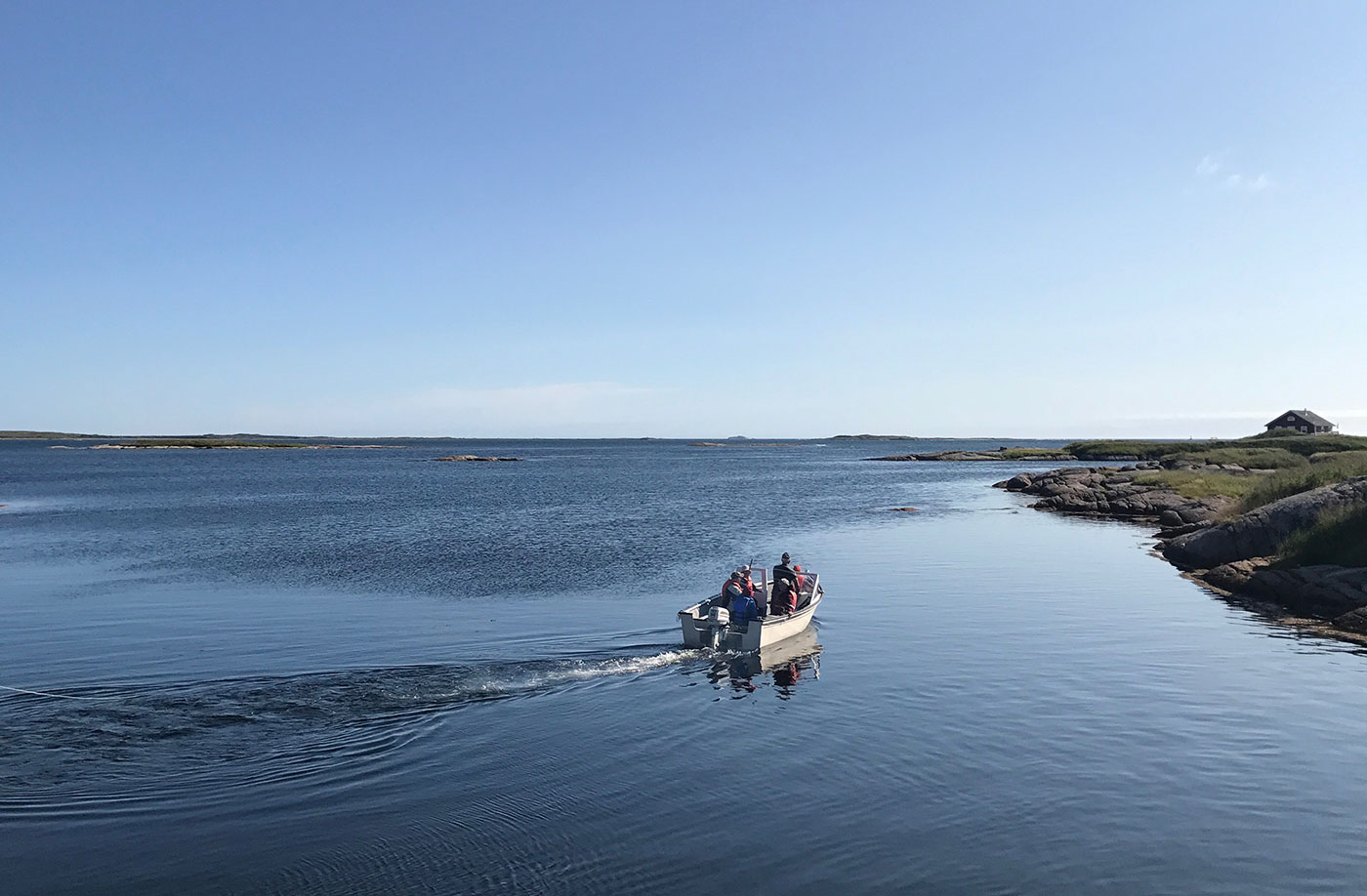
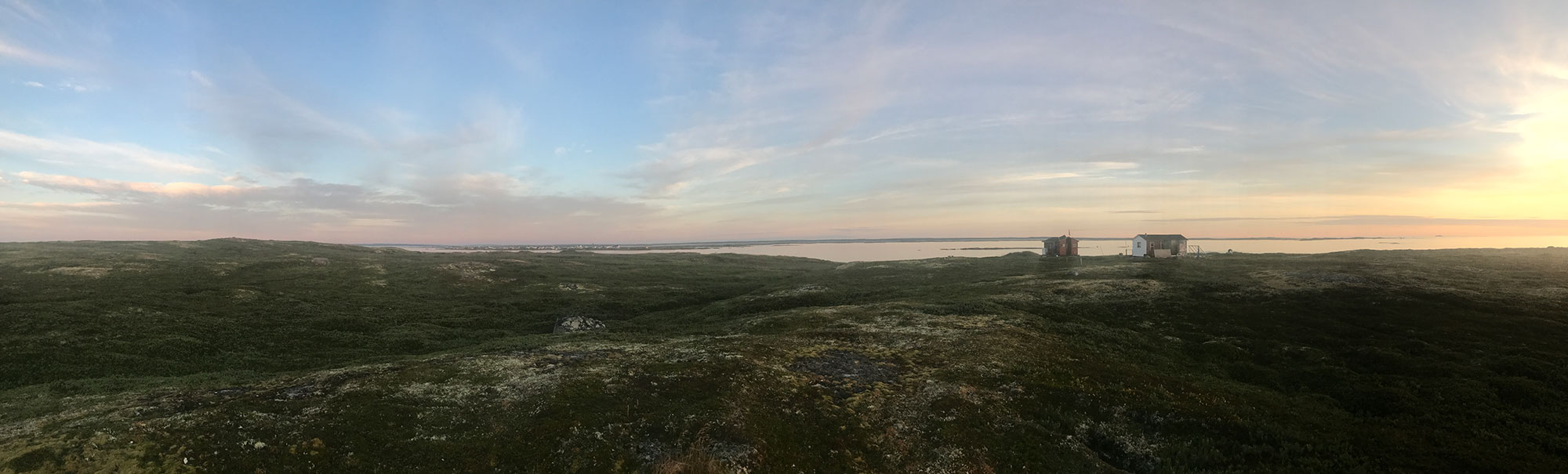
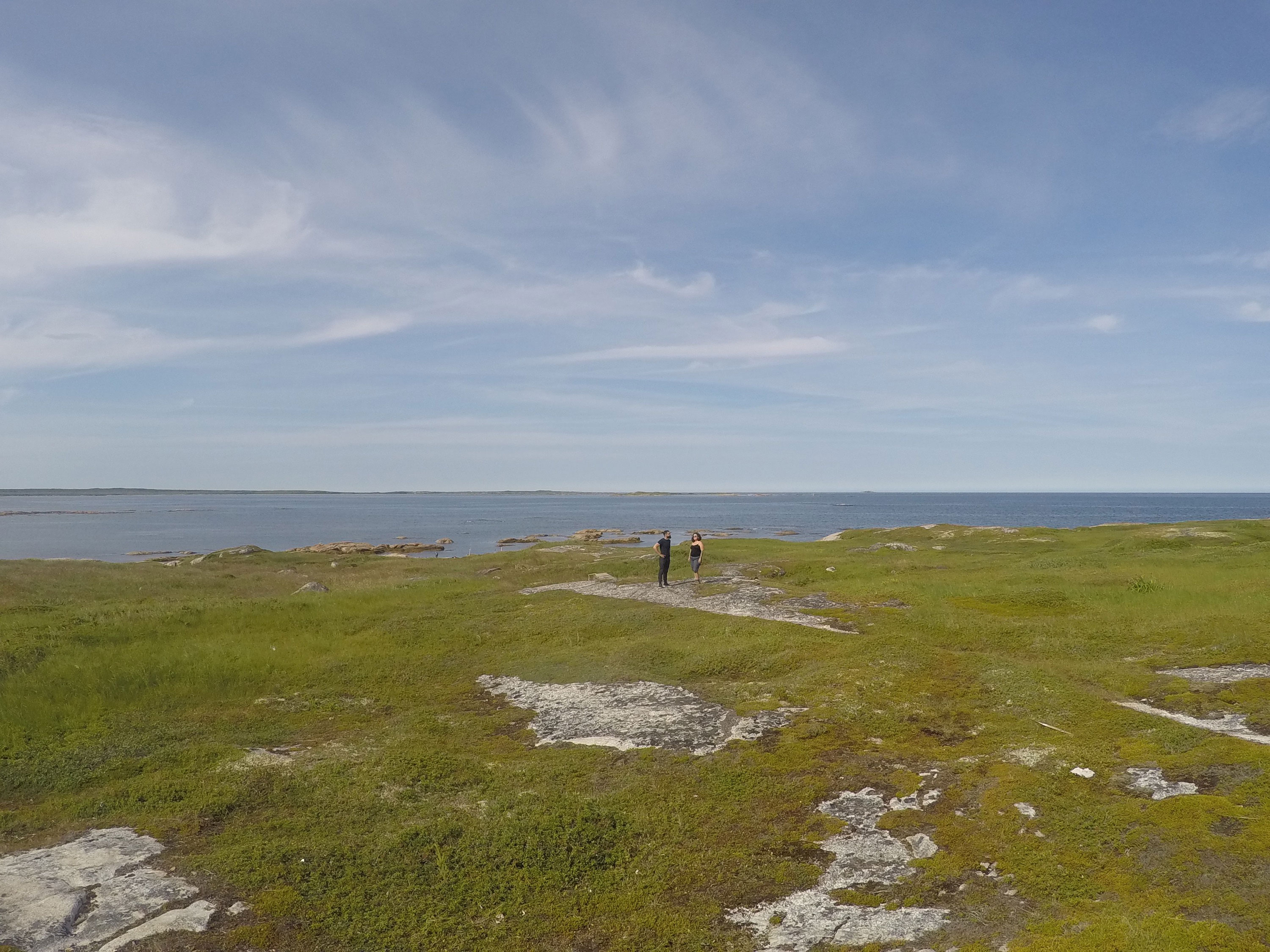
The photographs depict a view of Pinchard's Island from a small, family-owned cabin named "Precious Memories." The island, only accessible by boat for a few weeks of the year, is home to a few cabins that resettled residents use while picking bake apples (the local term for cloudberries) during the summer months.
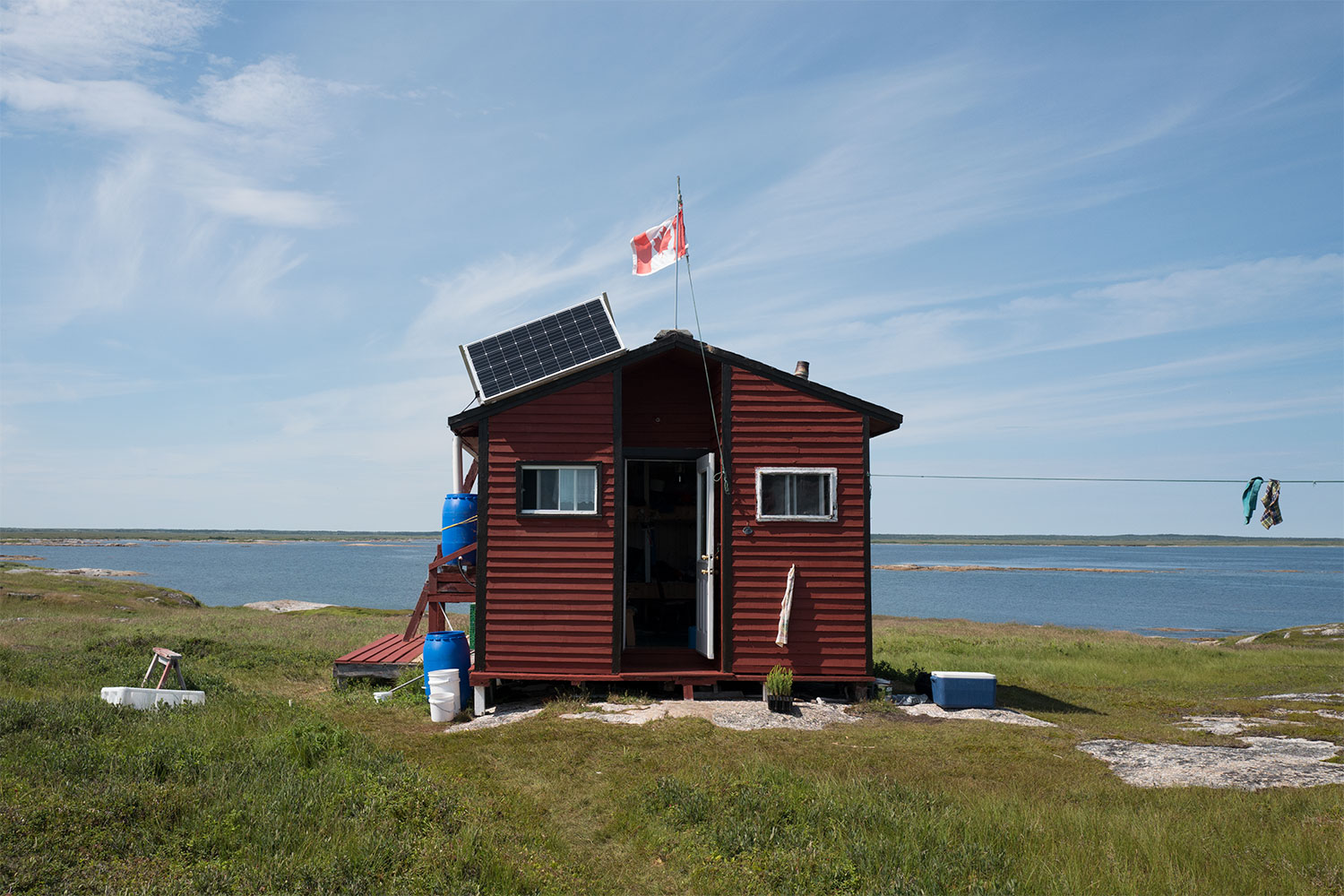
The view was static—in the sense that the camera always captured the same frame; however, the lighting of the frame could vary drastically from one image to another. They extended the habit of glancing out the cabin window at the surrounding landscape.
Cloudberry operated from August 16, 2017 through March 1, 2018. The camera system eventually failed—likely from cold, weathering, too little sun, or some combination. This website is the archive and documentation of what it captured.
Okay, but why Pinchard's Island?
Adam has been photographing Pinchard's Island and its previous residents for several years. The harsh weather conditions and the extreme remoteness of the island made it difficult to access the island year round and take images over long periods of time. Cloudberry grew from the desire to be able to photograph the island throughout the year from anywhere via the internet.
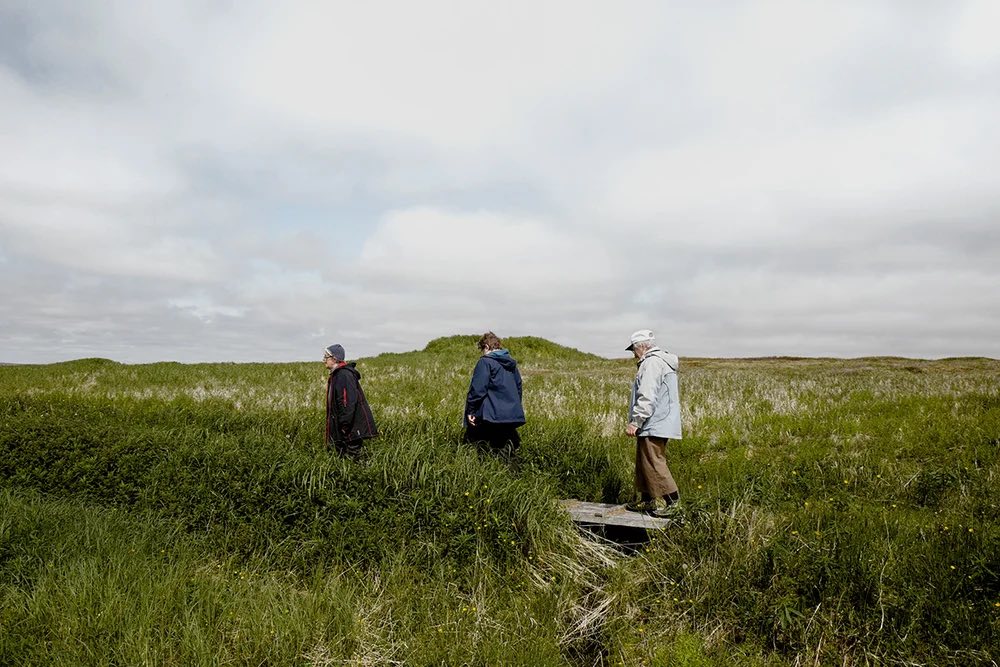
Shortly after Newfoundland joined Canada as its 10th province, Pinchard's Island was resettled in an attempt to modernize the province. Adam has been documenting the return of his grandmother, along with her brothers and sisters, to this island each summer in an attempt to write the future of resettlement by reviving traditions and creating new ones.
Where is Pinchard's Island?
Pinchard's Island is situated at the northern edge of Bonavista Bay, Newfoundland, Canada. It was one of the first settled sites in Bonavista Bay but is no longer inhabited.
How?
In early May 2017 the goal was set: take photos of the island remotely, upload the images via the cellular network, and access them from anywhere.
Our initial research showed that there were a lot of possibilities as to how we could approach the project, but it was clear from the beginning that every decision would result in many constraints that would affect every decision we made. Power, temperature, weather, sunlight, data limits, storage, remoteness, were all components that constantly determined decision making and the methods in which we worked.
We used Trello to plan every aspect of the project, communicate, and document our research:
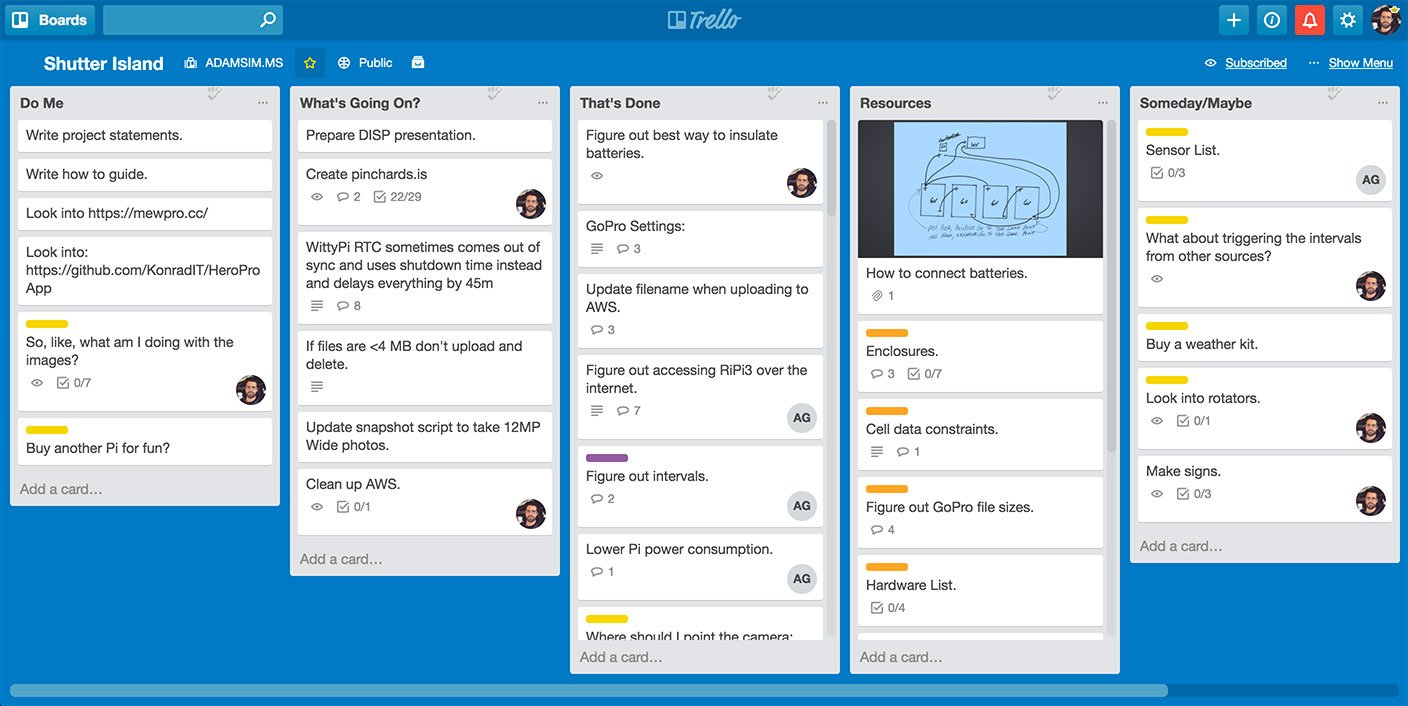
Designing a system that worked was only the start of the project. Every slight adjustment that we made to the system, such as moving from electricity to solar power, putting the USB cellular modem in a case or using different USB cables introduced new problems that we had to constantly monitor and resolve. Once we felt confident in our system, we had to be realistic that once the system was installed on the island, we would not be able to physically be there to troubleshoot any problem that might arise. This forced us to evaluate the entire solution and implement different components to help reduce the risk factor of the project.
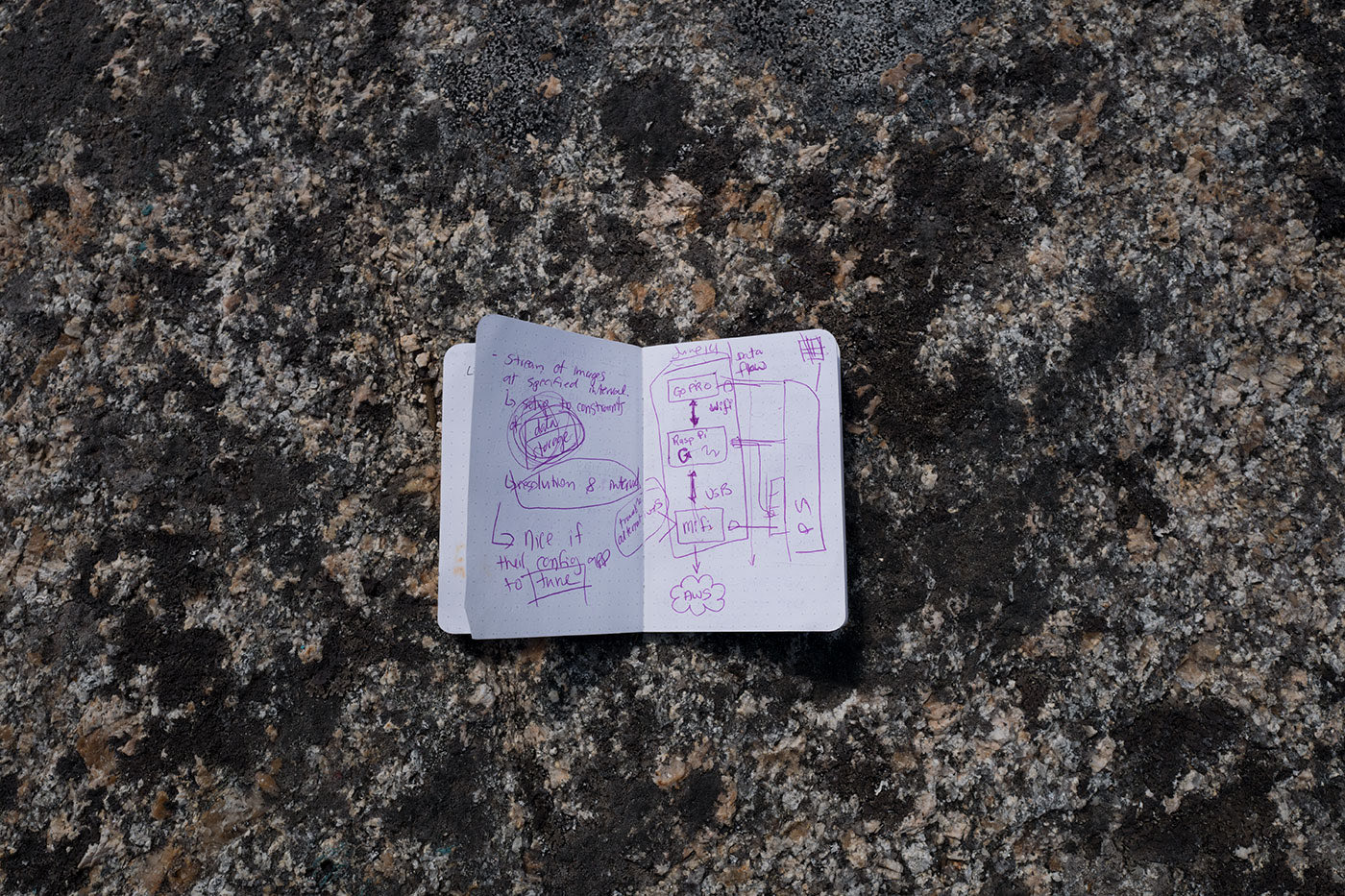
The entire system took us approximately 3 months to build. This includes the initial idea, research, system design, installation, and final production code. Below is a system diagram and an outline of all the hardware and software used to create Cloudberry. The Raspberry Pi field software is open source as Cloudberry.
The Cloudberry System
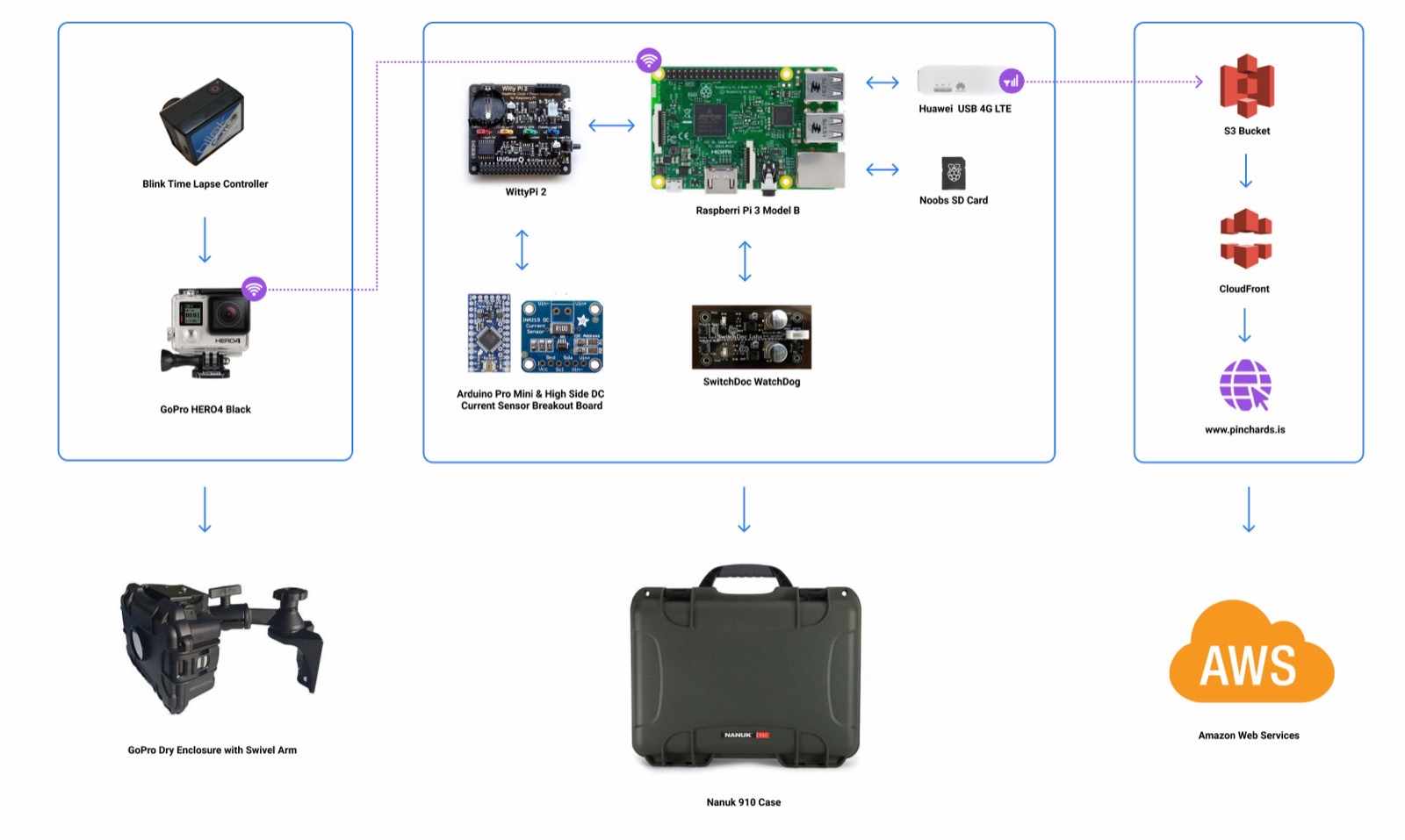
Hardware
GoPro HERO4 Black with 16gb micro SD Card
We initially wanted to use the GoPro HERO5, but the Cam Do enclosure did not support the GoPro HERO5 at the time. Creating a DIY weatherproof enclosure didn't add any benefit since the image quality between GoPro HERO4 and GoPro HERO5 is the same; therefore, we made the decision to go with the GoPro HERO4.
Cam Do Blink Interval Timer
The interval timer turned on the GoPro every hour between 8 AM and 8 PM. The GoPro was modified with Cam Do Pro-csiController firmware and ran a custom autoexec script to take a photo, turn on the GoPro WiFi, and then put the camera in standby mode to conserve power.
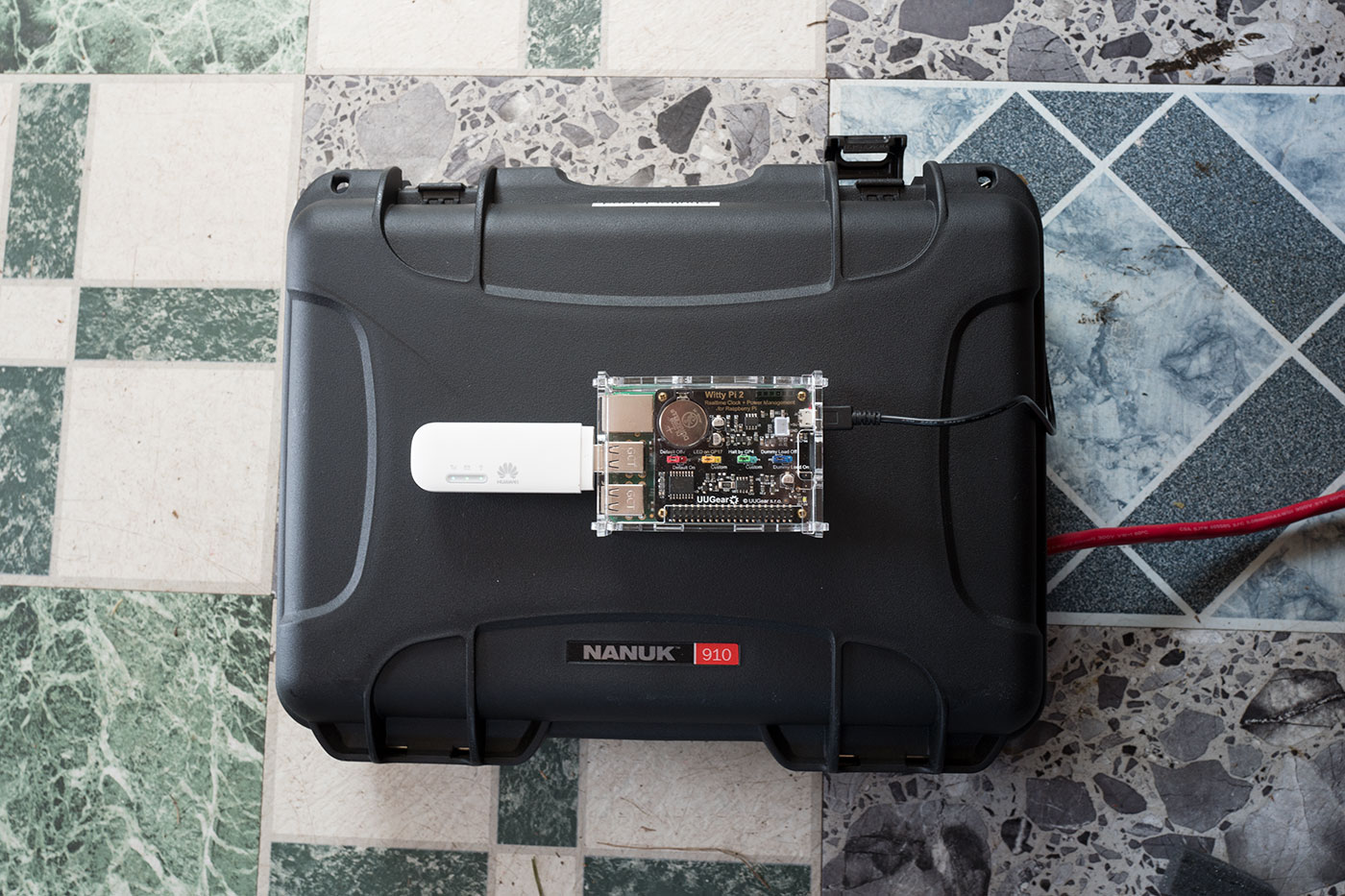
Raspberry Pi 3 Model B
Standard Raspberry Pi with a 16GB Noobs SD Card running Raspbian OS.
WittyPi 2
A real time clock (RTC) that turned on the Raspberry Pi at night for 30 minutes to download images from the GoPro, upload them to cloud storage, and shut down to conserve power.
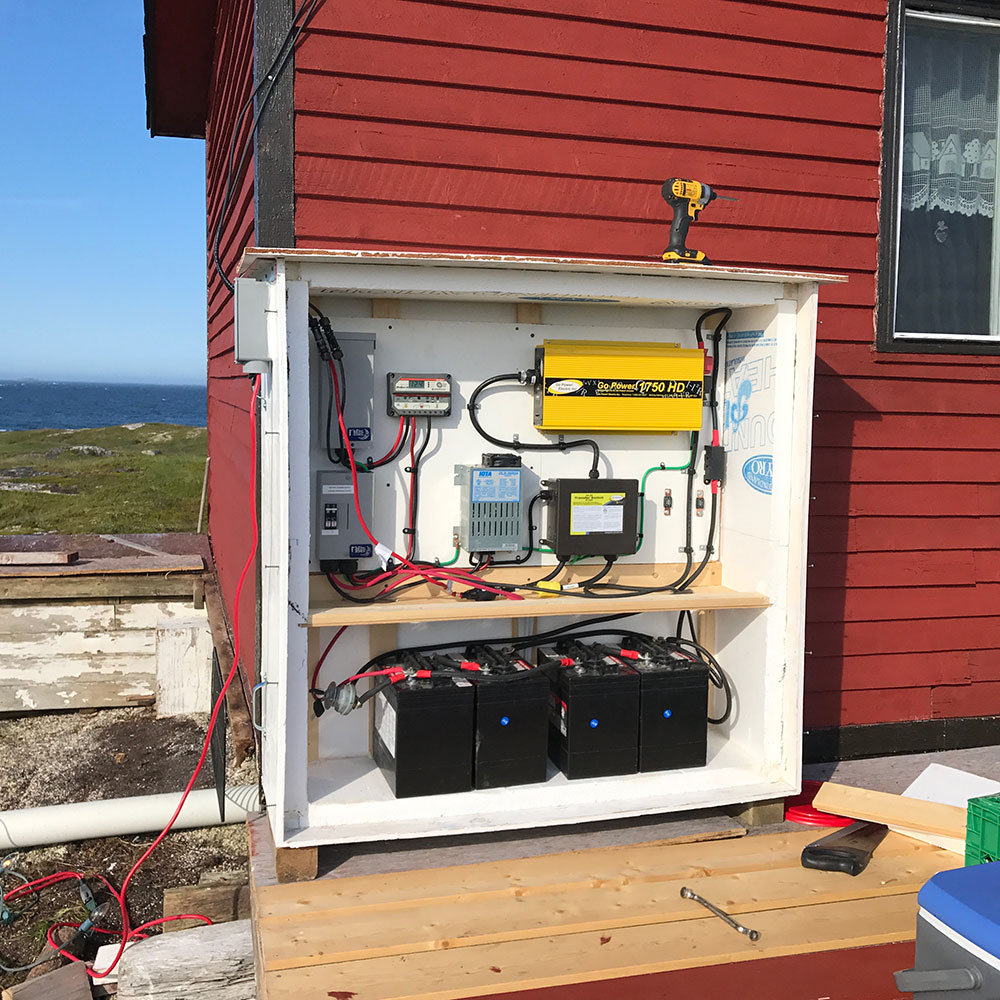
130 Watt Solar Power System
Solar panel, charge controller, inverter, and deep-cycle batteries designed for intermittent power in harsh winter conditions on the island.
Huawei LTE USB Cellular Modem
Connected to the Raspberry Pi with a Bell Canada SIM. At ±6 MB per photo and 13 photos per day, the system used roughly 2.3 GB per month.
Installation
During the second week of August, we embarked on our journey to install Cloudberry. The first task was to bring all of the solar power components to the island, which was a task that required four people to load the housing unit, batteries, and solar panel. It took approximately two days for Roger and Adam to install the entire system with constant readjustments.
The second step was to choose the frame of the photograph and install the Cam Do enclosure. Pointing the camera towards the north avoided sun blasting and offers views of both the landscape and the ocean.
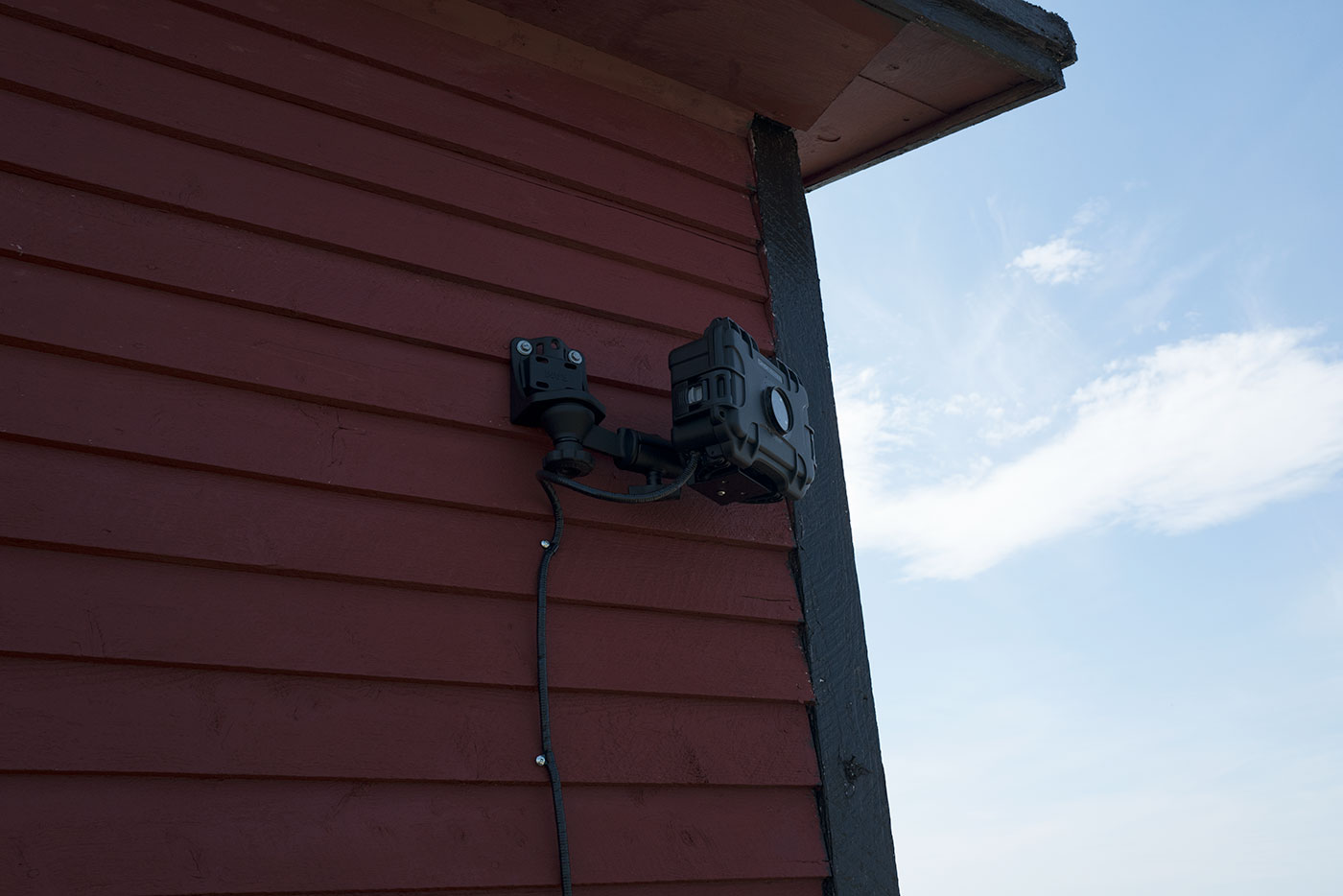
Once the entire system was in place, we monitored everything for a full day cycle before locking up all of the cases and leaving the island.
Who made Cloudberry?
-

-
 Roger KnightEquipment operator, carpenter
Citations
Researchers and publications are welcome to use Cloudberry photographs with attribution. The archive is complete and no longer receiving new images.
The suggested format below follows the Chicago Manual of Style, Author-Date system, adapted for a born-digital photograph archive (similar to citing a website or online collection).
Citing the entire archive
Use this when referring to the project or website as a whole.
Cloudberry (Pinchard's Island Photography Archive). https://art.adamsimms.xyz/cloudberry/archive/. Accessed October 24, 2026.
The access date reflects the day you loaded this page.
Citing a specific photograph
Open the image on the site, expand the details panel, and note the date and time, photo number (shown as the large title), and filename from the page URL (?filename=…). Substitute those values into the template below.
Cloudberry. Automated photograph, [Month Day, Year, Time]; photo ID [number] ([FILENAME].JPG). https://art.adamsimms.xyz/cloudberry/archive/?filename=[FILENAME].JPG. Accessed October 24, 2026.
Replace bracketed fields with values from the photograph you are citing. The access date reflects the day you loaded this page.
Keyboard shortcuts
- ← → Previous / next photograph
- ↑ ↓ Open / close details
- Space Pause / resume
Source
- Cloudberry Raspberry Pi field software — capture, upload, and power management
- cloudberry-archive This website and photograph archive